


Windows 10 reached EOS (end of support) on October 14, 2025. If you are on Windows 10, see this article.

Pomoc pśepytaś

Glědajśo se wobšudy pomocy. Njenapominajomy was nigda, telefonowy numer zawołaś, SMS pósłaś abo wósobinske informacije pśeraźiś. Pšosym dajśo suspektnu aktiwitu z pomocu nastajenja „Znjewužywanje k wěsći daś“ k wěsći.

Dalšne informacije
Toś ta nitka jo se archiwěrowała. Pšosym stajśo nowe pšašanje, joli trjebaśo pomoc.
Archiwěrowany

Changes on SOP and CORS on Firefox

Henrique Curi

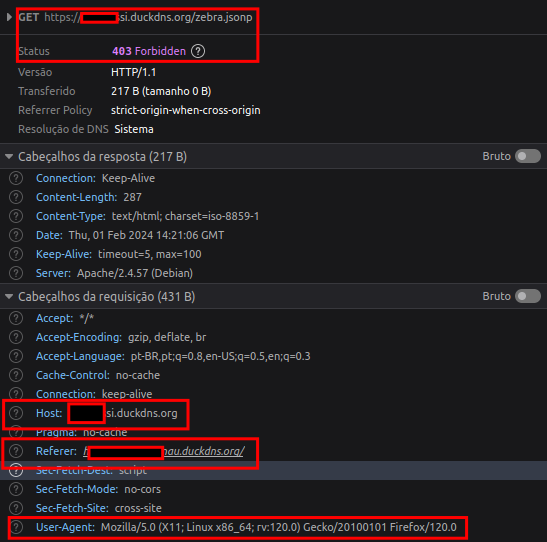
I'm a cybersecurity professional and I'm researching about Same Origin Policy, Cross Origin Resource Sharing and how firefox deal with those things. I've find out that versions before 102.1.0esr, cross-origin script GET requests used to attach cookies (Image 1), but in newer versions, it's not happening (Image 2). I checked the release notes but didn't find nothing about this change.

I would like to learn more about what changed and how Firefox is dealing with cookies, SOP and CORS.

Thanks!
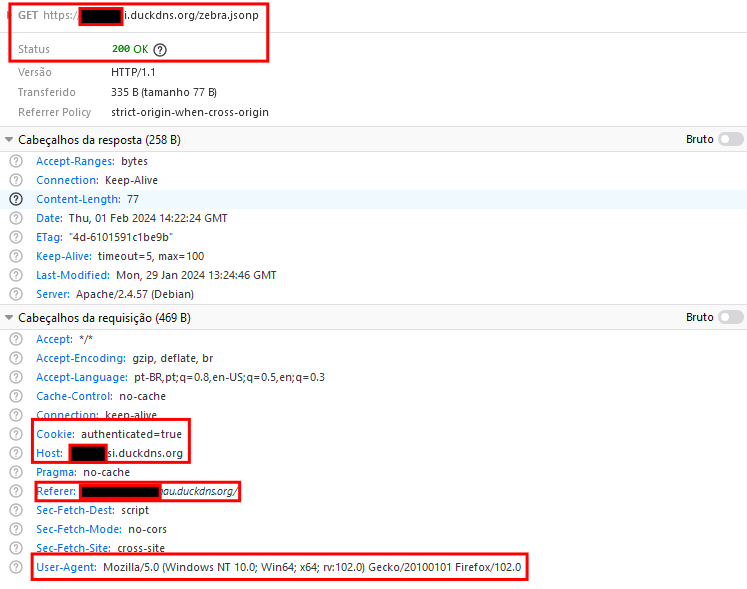
I'm a cybersecurity professional and I'm researching about Same Origin Policy, Cross Origin Resource Sharing and how firefox deal with those things. I've find out that versions before 102.1.0esr, cross-origin script GET requests used to attach cookies (Image 1), but in newer versions, it's not happening (Image 2). I checked the release notes but didn't find nothing about this change. I would like to learn more about what changed and how Firefox is dealing with cookies, SOP and CORS. Thanks!
Pśipowjesone fota wobrazowki

Wšykne wótegrona (2)

It may be due to bug 1802086.

whatwg/fetch#1544 changes the Fetch Standard to remove a web-developer-set Authorization header upon a cross-origin redirect.

According to https://wpt.fyi/results/fetch/api/credentials/authentication-redirection.any.html, all the web browsers already conforms with this spec change.

You can use mozregression to find when the change occurred.